The Thrill of Risk: Understanding Casino Attraction
The allure of casinos often stems from the thrill of risk and uncertainty. Many individuals are drawn to the excitement of gambling, which activates the brain’s reward system, and it is not uncommon for someone to enjoy the experience at an online casino. This can lead to a sense of euphoria that accompanies winning, and even the anticipation of a potential win creates an emotional high. The unpredictability of games adds to this excitement, as every spin of the roulette wheel or roll of the dice offers a chance for both victory and defeat.
This thrill-seeking behavior is a significant aspect of human psychology, as people often seek experiences that elevate their adrenaline levels. Over time, this can develop into habitual gambling, where individuals prioritize the rush of risk over the financial outcomes. Understanding these psychological factors can help explain why some people find themselves returning to casinos repeatedly, despite previous losses.
The Illusion of Control: Cognitive Bias in Gambling
A common psychological phenomenon observed in gamblers is the illusion of control. Many players believe they can influence the outcomes of games, particularly in skill-based games like poker. This belief can lead to overconfidence and a tendency to gamble more than one should. Gamblers may rely on strategies or superstitions, believing these can enhance their chances of winning.
This cognitive bias can cloud judgment and lead to poor decision-making, as individuals may ignore or downplay the inherent randomness of casino games. Understanding this illusion can shed light on why certain gambling behaviors persist, despite evidence of their ineffectiveness. Recognizing these biases is crucial for developing healthier approaches to gambling.
The Role of Social Influence in Gambling Behaviors
Social factors play a significant role in gambling habits. Casinos often create an environment that encourages interaction, making gambling a social activity. Friends and family can act as influencers, either promoting positive gambling experiences or normalizing risky behaviors. This social aspect can enhance the enjoyment of gambling but can also lead to problematic habits when the desire to fit in or impress others takes precedence over responsible gambling practices.
The impact of social circles on gambling can be profound, as individuals might feel pressured to engage in casino activities to maintain relationships. This peer influence can either encourage moderation or, conversely, fuel risky gambling behaviors. Understanding the social dynamics at play can help individuals recognize the external pressures that may influence their gambling decisions.
The Emotional Connection: Gambling as an Escape
For many, gambling serves as an emotional escape from daily stresses or life challenges. The casino environment, often filled with lights, sounds, and a bustling atmosphere, can provide a temporary reprieve from reality. This psychological association between gambling and stress relief can lead to the development of habitual gambling behaviors. When individuals face difficult emotions or situations, they may turn to casinos as a coping mechanism.
The thrill of gambling can create a distraction from personal problems, reinforcing the behavior despite its potentially negative consequences. Understanding this emotional connection is essential for addressing problem gambling, as individuals may need to find healthier coping strategies that do not rely on risk-taking behaviors.
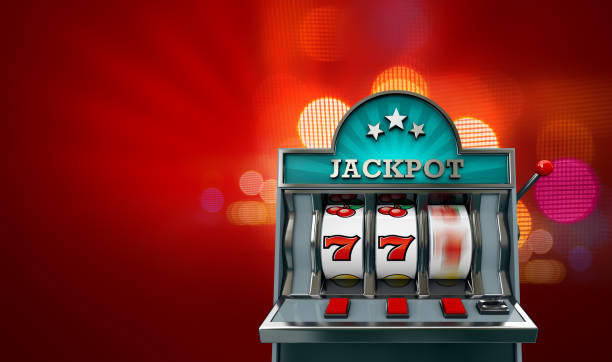
Understanding Our Commitment to Responsible Gambling
At our website, we prioritize educating users about responsible gambling practices. Recognizing that gambling can become a problematic behavior for some, we aim to provide resources that promote awareness and understanding of such habits. Our commitment is not only to inform but also to support those who may find themselves in challenging situations regarding their gambling experiences.
By exploring the psychology behind casino gambling habits, we hope to empower individuals with knowledge and resources. It’s crucial to foster a healthy relationship with gambling, ensuring that it remains an enjoyable pastime rather than a source of stress or conflict. We invite users to engage with our content and explore the various resources we offer to promote safer gambling practices.